

In today’s hyper-connected world, technology evolves faster than most organizations can adapt. Cloud adoption, remote work, automation, AI, and third-party integrations have transformed how businesses operate — but they’ve also expanded the attack surface in ways traditional security models were never designed to handle.
That’s where security architecture steps in.
Not as a luxury — but as the backbone of modern IT.
What Is Security Architecture?
Security architecture is the strategic design of how an organization protects its systems, data, and operations. It’s not just firewalls and policies. It’s a blueprint — a structured plan that ensures every piece of technology works together securely and efficiently.
A strong security architecture combines:
- Technical controls (firewalls, identity management, encryption)
- Organizational policies
- Process frameworks
- Risk-based decision making
- Continuous monitoring and assessment
It transforms security from something reactive into something intentional and resilient.
Why It Matters Now More Than Ever
Modern IT environments are no longer confined to a physical office or a server room. Businesses operate in hybrid environments, across multiple clouds, integrating dozens of SaaS platforms and relying heavily on vendors.
This creates complexity — and complexity is the enemy of security.
Security architecture helps organizations:
- Minimize vulnerabilities
- Reduce operational risk
- Ensure compliance
- Simplify environments
- Improve resiliency
- Enable innovation without compromising safety
Without a defined architecture, businesses often rely on scattered tools, inconsistent processes, and reactive fire drills. sentence builds on the last to maintain a cohesive flow. You can include data, anecdotes, or expert opinions to reinforce your claims. Keep your language concise but descriptive enough to keep readers engaged. This is where the substance of your article begins to take shape.

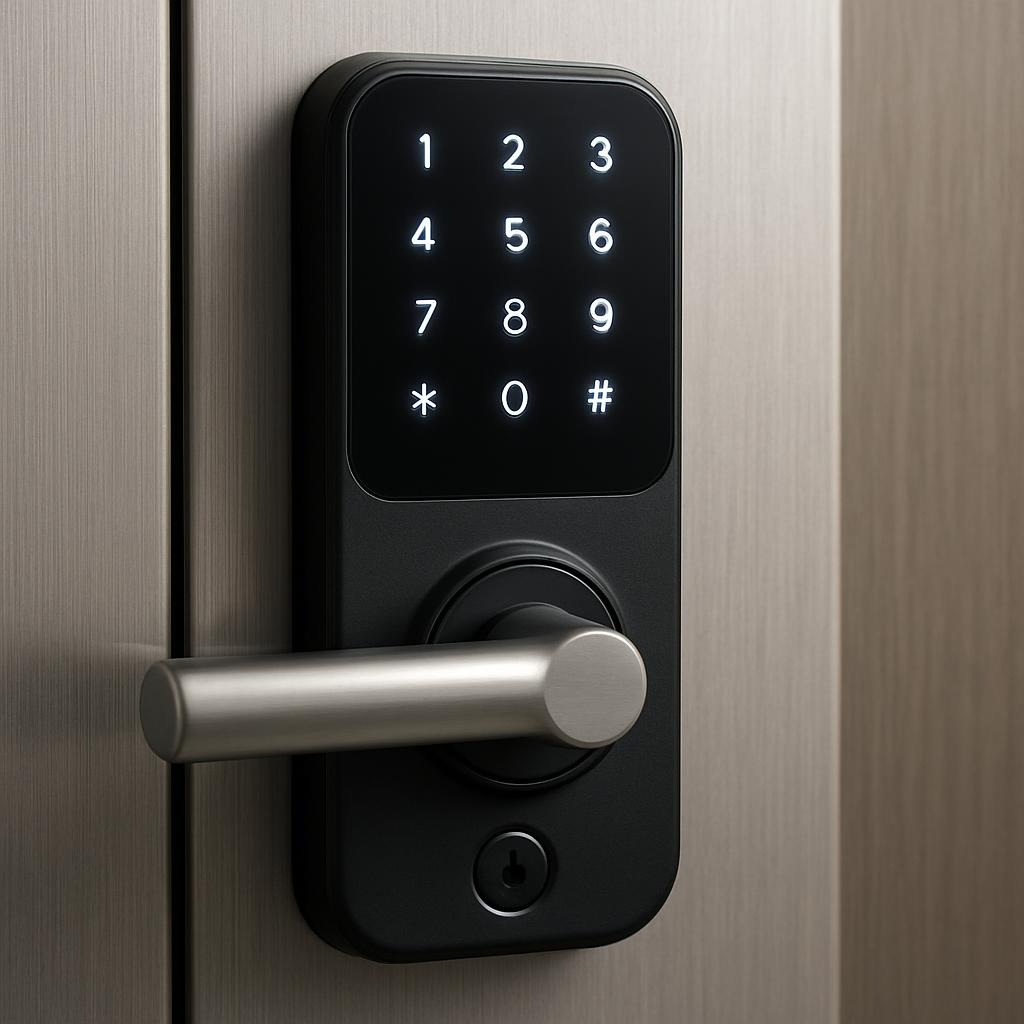
Zero Trust: The New Foundation
Zero Trust is no longer a buzzword — it’s the expected baseline for modern security architecture. Its principle is simple:
Never trust. Always verify. Continuously validate.
A Zero Trust architecture focuses on:
- Identity-first security
- Least privilege access
- Micro-segmentation
- Device health validation
- Continuous monitoring
- Adaptive access policies
It reduces lateral movement, increases visibility, and protects the organization against modern threats, from ransomware to insider risk.
Identity: The New Perimeter
Firewalls still matter, but identity has become the real perimeter. With users logging in from home, airports, and every place with WiFi, defending the network isn’t enough.
Modern security architecture prioritizes:
- Multi-factor authentication
- Conditional access policies
- Privileged access management
- Passwordless solutions
- Continuous identity verification
When identity is strong, everything else strengthens with it.
Security Architecture Enables Better IT — Not Just Better Security
Strong architecture doesn’t slow business down. It accelerates it.
A well-designed security architecture gives organizations:
- Faster onboarding and offboarding
- Smoother cloud migrations
- More reliable systems
- Lower operational costs
- Better user experiences
- Fewer incidents and outages
It creates harmony between IT and security — two areas that often clash when architecture is missing.
The Business Case Is Clear
Leadership teams used to think of security as an expense. Today, they see it as a competitive advantage.
A strong security architecture:
- Protects revenue
- Enhances customer trust
- Supports regulatory compliance
- Reduces downtime
- Prevents costly breaches
- Enables expansion into new markets
In other words: it pays for itself.
Where Guardian Ridge Comes In
At Guardian Ridge Technologies, we help organizations build secure, scalable, and modern architectures that align with business goals — not restrict them.
We design environments that are:
- Cloud-ready
- Zero Trust aligned
- Identity-driven
- Resilient and compliant
- Operationally efficient
We don’t just build solutions — we build systems that last.
Final Thought
Modern IT is only as strong as the architecture behind it.
Organizations that invest in security architecture aren’t just protecting themselves — they’re future-proofing their entire business.
If you’re ready to strengthen your foundation and move your organization toward a secure, modern, and efficient IT environment, Guardian Ridge can help lead the way.
Leave a Reply